
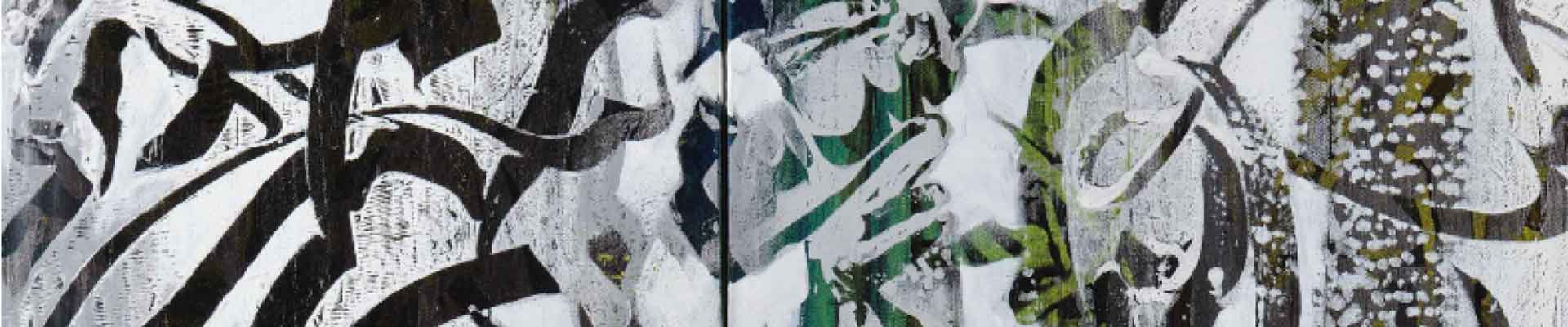
A painting carries meaning, yet it is not limited to that alone. First and foremost, a painting possesses its own visual language. Perhaps it is beauty—rather than meaning—that lies behind the painful and continuous vigilance of visual artists throughout the ages as they stand before the unsettling blankness of their canvases. In this sense, a painting is not reduced to what it says, but rather—more importantly—to how it says it. All still-life works share similar elements, yet what Paul Cézanne achieved within this genre is what grants it its historical and aesthetic importance. Likewise, landscapes may resemble one another—plains, mountains, sea, trees—but what Anselm Kiefer unleashes within them is what gives his work its overwhelming originality.
All of this drew the attention of a discerning cultural and economic elite, who began collecting creative works, each according to their own culture and taste. Arab art collectors are scarcely a century old, yet many of them—despite this relatively short span—have preserved for us remarkable works from across the region: from Egypt to Morocco, Tunisia, Lebanon, Syria, Sudan… In doing so, they have joined modern art museums in safeguarding these expressive testaments to personal visions and historical eras from the erosion of time and oblivion.
From this perspective, we look at the art collection of Mrs. Rehab Ayoub. This collection of Syrian paintings draws attention not merely for spanning more than one period, nor only for including works by many important artists, but for the discernment of its choices. It is well known that no artist, in any country, produces works of equal caliber throughout their career. Not all of Francisco Goya’s works equal the stature of The Third of May 1808; not all of Rembrandt’s works equal the magnificence of The Slaughtered Ox; nor do all of Francis Bacon’s works match the power of his Study after Velázquez’s Portrait of Pope Innocent X.
From this standpoint, we regard the Ayoub Collection with joy. It includes exquisite works by a distinguished group of Syrian visual artists, whose refined quality and the delicate sensitivity of their colors we continue to discover today and will further appreciate over time. They endured enforced isolation imposed by narrow political minds that besieged them for decades. Yet at no moment could such forces besiege the beauty within the luminous colors of their brushes. They defied silence in mute days; they were the resisters when bowing was demanded of many; they were the light of a lamp in Syria’s long night.
Youssef Abdelke
16/12/2025